Indira Gandhi Zoological Park, Visakhapatnam, is continuing its dedicated breeding and conservation efforts and is delighted to announce the birth of several animals and birds over the past few weeks. These births have been carefully monitored and supported by the Zoo Veterinary team, said Smt. G. Mangamma, Curator, Indira Gandhi Zoological Park.
These include: 1 Bison; 40 Star tortoises; 35 Wild boars; 20 Spotted deer; 10 Red Jungle Fowls; 5 Sambar deer 7 Indian Peafowls; 3 Striped Hyena cubs; 2 Indian Porcupines; 2 Grey Pelicans; 1 Blue gold macaw; 2 Marmosets
The Red Jungle Fowl (Gallus gallus) is a vibrant and ecologically significant bird native to the forests of South and Southeast Asia. As part of its ongoing conservation breeding initiatives, Indira Gandhi Zoological Park successfully incubated the eggs of this species through artificial incubation—a scientific technique that carefully replicates the warmth, humidity and environmental conditions naturally provided by the parent bird.
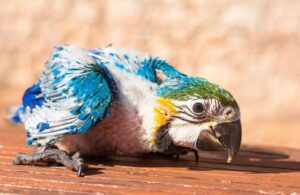
Over a period of approximately 21 days, the eggs were meticulously monitored and maintained under optimal conditions by the zoo’s dedicated veterinary team, resulting in the successful hatching of 10 healthy Red Jungle Fowl chicks along with one Blue-gold Macaw chick successfully hatched through artificial incubation.
The macaw egg was incubated in a specially designed incubator that maintained an optimal temperature between 37°C and 38°C and humidity levels ranging from 45% to 70%, which are essential for healthy embryonic development. Following hatching, the chick is currently being hand-reared by the zoo’s veterinary team, ensuring close monitoring of its growth, nutrition and overall health during this critical early stage of development said Smt. G. Mangamma, Curator, Indira Gandhi Zoological Park.
Striped Hyena (Hyaena hyaena) named Divya, gave birth to three healthy cubs. Now, the cubs have emerged from their den and are being cared by their mother. The Striped Hyena, listed as Near Threatened (NT) on the IUCN Red List, is an important scavenger that helps maintain the ecological balance of forest ecosystems.
During the early weeks, the mother closely nurses, protects and nurtures her cubs, ensuring their healthy growth and development. Veterinary team and animal keepers are continuously monitoring the mother and cubs to ensure their well-being said Smt. G. Mangamma, Curator, Indira Gandhi Zoological Park.
The birth of a Marmoset, a New World monkey and one of the smallest primates in the world, further highlights the zoo’s capability in maintaining and breeding delicate species under controlled environmental conditions. Successful breeding of such sensitive primates requires precise regulation of temperature, stable social grouping and specialized dietary management.
The provision of nutritious food along with additional dietary supplements has played a crucial role in ensuring their health, reproductive success, and overall well-being, reflecting the high standard of animal husbandry practices maintained at the zoo.
This achievement is the result of our dedicated Veterinary team’s hard work and expertise in animal care and breeding programmes. The Zoo continues to focus on conservation breeding initiatives and wildlife protection by providing a safe and naturalistic habitat that ensures animal welfare. Visitors can now catch a glimpse of these adorable new members as they grow under careful supervision, added Smt. G. Mangamma, Curator, Indira Gandhi Zoological Park.