
Indira Gandhi Zoological Park, Visakhapatnam, is continuing its dedicated breeding and conservation efforts and is delighted to announce the birth of several animals and birds over the past few weeks. These births have been carefully monitored and supported by the zoo veterinary team, said Smt. G. Mangamma, Curator, Indira Gandhi Zoological Park.
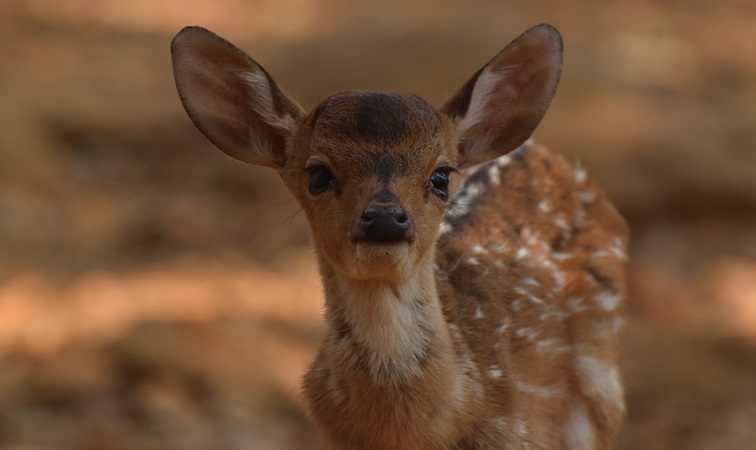
These include: 3 Indian Grey Wolves 1 Striped Hyena 10 Asiatic Wild dogs 1 Barking Deer 8 Spotted Deer 1 Marmoset 2 Grey Pelicans 7 Lutino Parakeets 2 Rainbow Lorikeets
The Indian Grey Wolf, a species accorded the highest level of protection under the Wildlife Protection Act, 1972 (Schedule I), is an ecologically important apex predator. Its successful breeding in captivity is significant, as the species faces increasing threats in the wild due to habitat fragmentation, prey depletion and human-wildlife conflict. The birth of wolf pups at the vizag zoo indicates effective enclosure management, minimal disturbance and appropriate environmental enrichment that closely replicates natural conditions.
The Asiatic Wild Dog (Dhole), categorized as Endangered, is a highly social carnivore dependent on strong pack dynamics for survival and reproduction. Indira Gandhi Zoological Park, Visakhapatnam, is one of the recognized zoos in the country identified by the Central Zoo Authority to undertake planned and coordinated conservation breeding of Asiatic Wild Dogs in captivity, following specific recommendations and scientific protocols. The successful breeding of dholes at the zoo is a major achievement, demonstrating effective pack management, nutritional care and adherence to conservation breeding guidelines aimed at long-term species sustainability
The birth of a Marmoset, a New World monkey and one of the smallest primates in the world, further highlights the zoo’s capability in maintaining and breeding delicate species under controlled environmental conditions. Successful breeding of such sensitive primates requires precise regulation of temperature, stable social grouping and specialized dietary management. The provision of nutritious food along with additional dietary supplements has played a crucial role in ensuring their health, reproductive success, and overall well-being, reflecting the high standard of animal husbandry practices maintained at the zoo.
This achievement is the result of our dedicated Veterinary team’s hard work and expertise in animal care and breeding programmes. The Zoo continues to focus on conservation breeding initiatives and wildlife protection by providing a safe and naturalistic habitat that ensures animal welfare. Visitors can now catch a glimpse of these adorable new members as they grow under careful supervision, added Smt. G. Mangamma, Curator, Indira Gandhi Zoological Park.